
Laurustinus
Viburnum tinus L. subsp. tinus
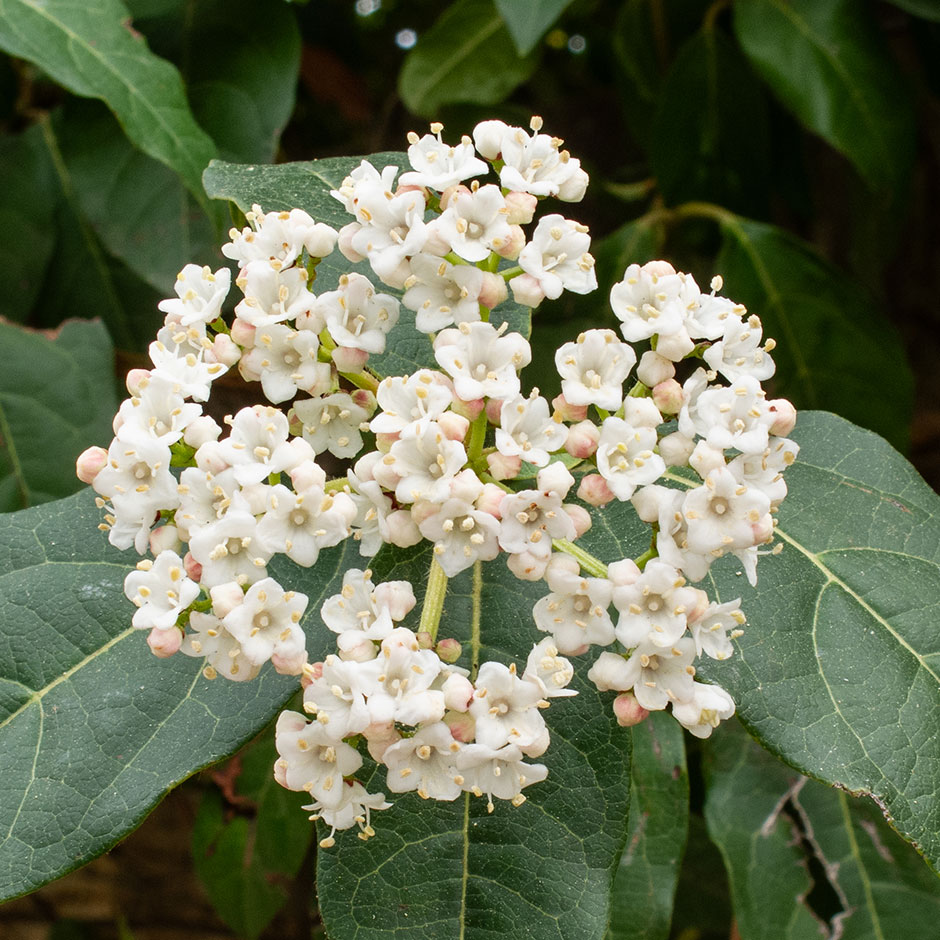
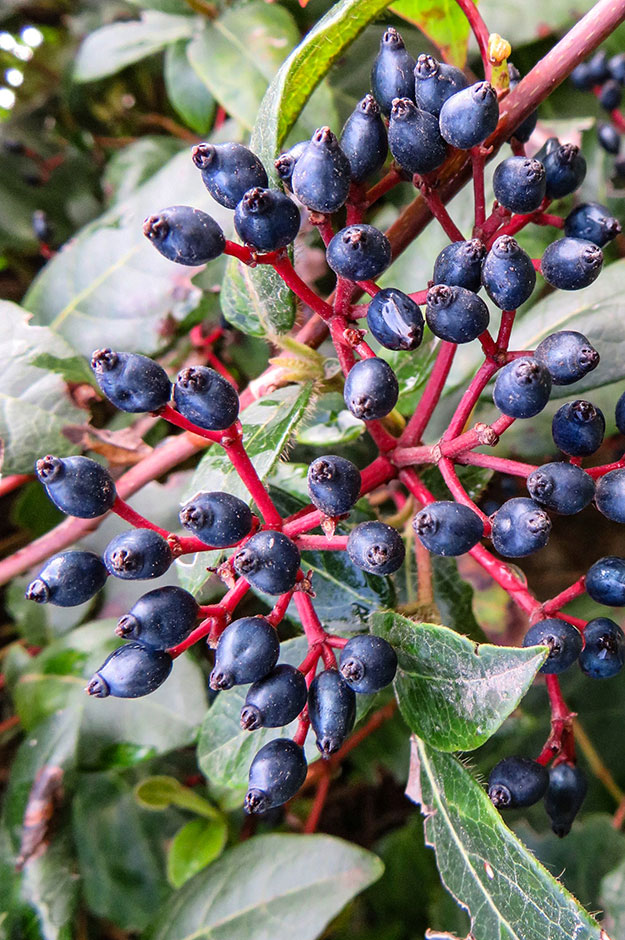
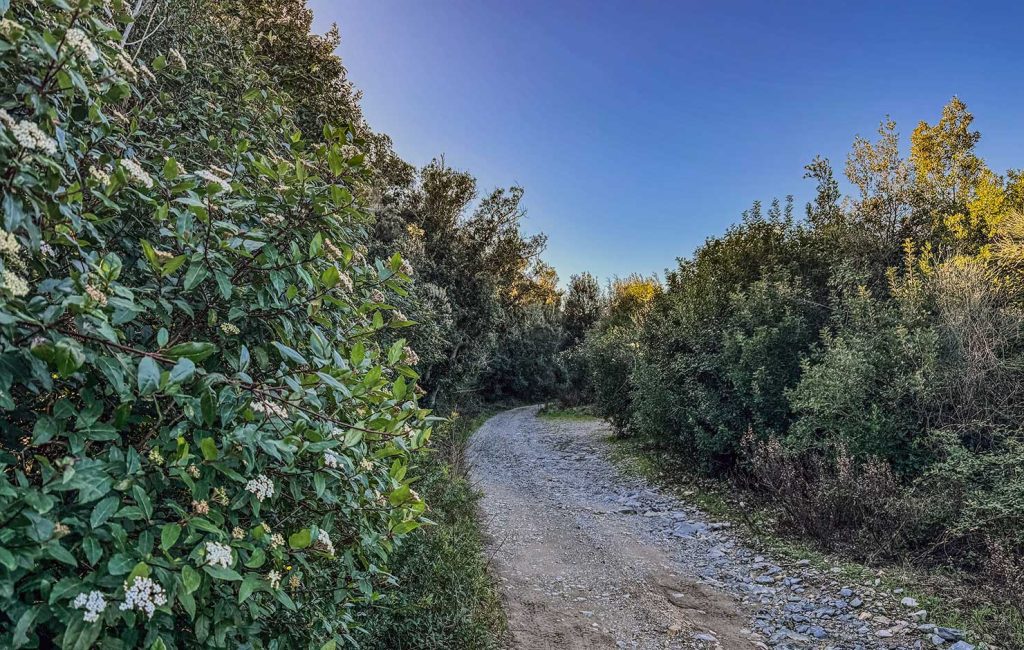
The Laurustinus is an evergreen plant that is also familiar to city dwellers because it is planted in gardens. Its ornamental use is well established: the gardens of ancient Rome always featured the laurustinus, which was considered a sacred plant and a symbol of good luck. This is confirmed by its depiction in a fresco in the “House of the Golden Bracelet” in Pompeii. The plant has a predominantly shrubby habit, sometimes arboreal (1-5 metres). It blooms in mid-winter and the inflorescences are clusters (corymbs) with many small white flowers, up to 245. In his poem The Georgics, Virgil suggests planting laurustinus near beehives because it is a plant that produces abundant nectar. The fruit is an ovoid drupe with a bluish-metallic colour that remains on the plant for a long time. The fruits are toxic. The thin, elastic and resistant branches have been used on Elba since ancient times to make baskets. The wood is hard and is used for inlay work and to create small objects. As firewood, it gives off an unpleasant odour and for this reason it was also called “cat shit”. On Elba, it is found on the edges of holm oak woods, rarely inside, in cool areas.
🌿 Botanical Information