
Cork oak
Quercus suber L.
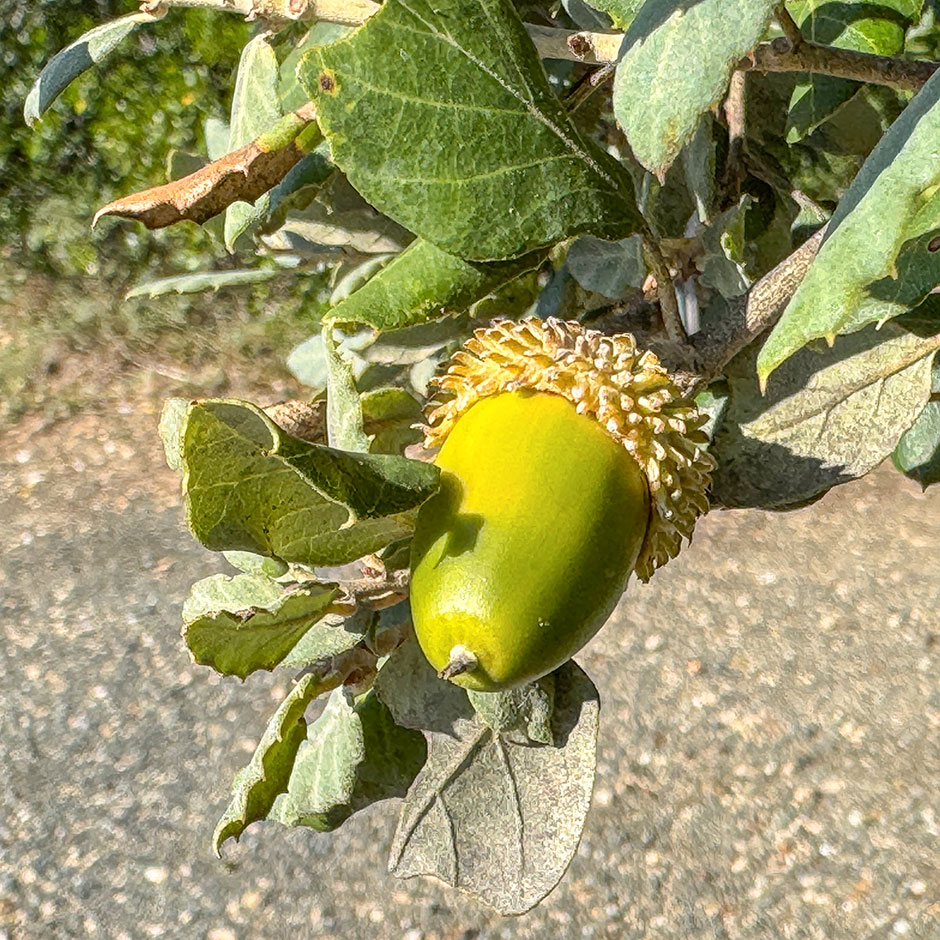
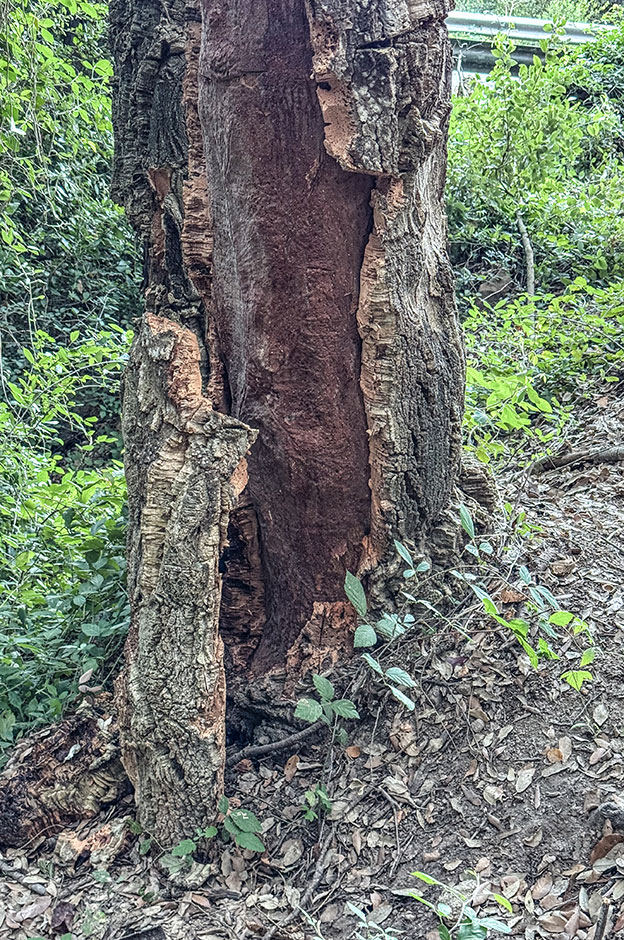
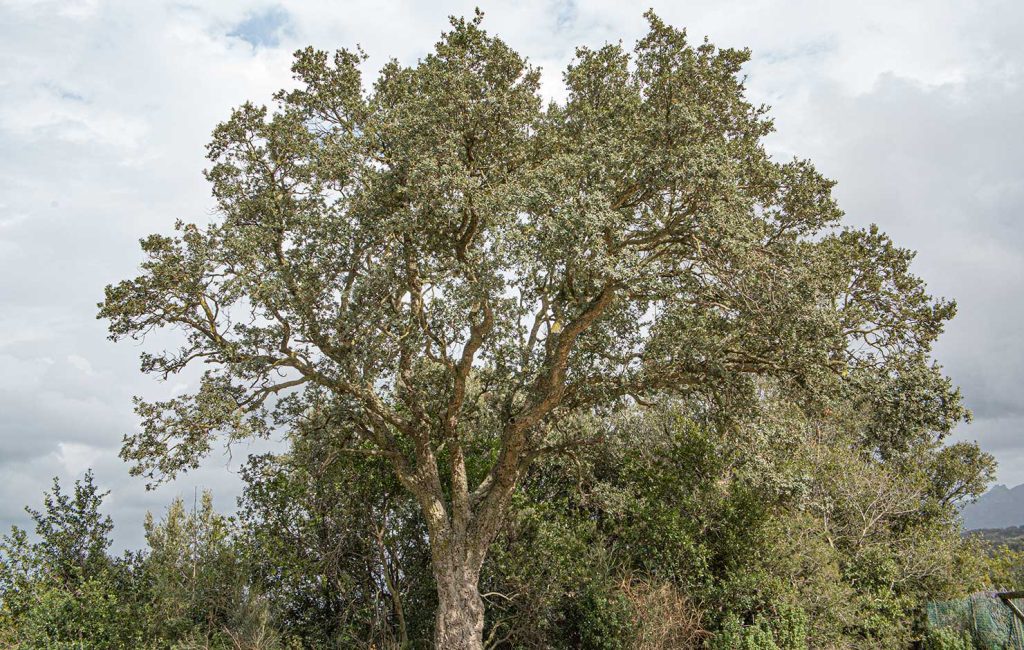
The Mediterranean basin was formed 60 million years ago and the cork oak was already present; since then, this plant has survived several periods of climatic devastation unscathed. It is an elegant, long-lived, evergreen oak that can reach 20 metres in height. The trunk is almost never straight, has a large asymmetrical crown and is covered with a thick layer of cork as an adaptation to ecosystems periodically subject to fire. Removing this protection does not prevent the plant from living but it must be done with care and wisdom. Immediately beneath the cork are the cambial tissues (phellogen) which allow the regrowth of the removed tissues and protect the plant; the sustainability of cork harvesting depends entirely on not cutting into or damaging these tissues. The harvest of this part of the plant is therefore rather critical and the way it is done sets the boundary between coexistence and destruction. Cork has countless uses and has been the reason for the expansion of cork oak forests by human hands for thousands of years. Acorns were once used to make acorn bread and a coffee substitute. In the past, cork was mainly used by the Island’s fishermen and farmers, the former to make floats and the latter to make stoppers for wine containers. There are fairly large areas of cork oak forest on the Island, particularly in the central sector, and isolated specimens or small clusters are scattered among the scrub and holm oak woods.
🌿 Botanical Information