
Downy oak
Quercus pubescens Willd. subsp. pubescens
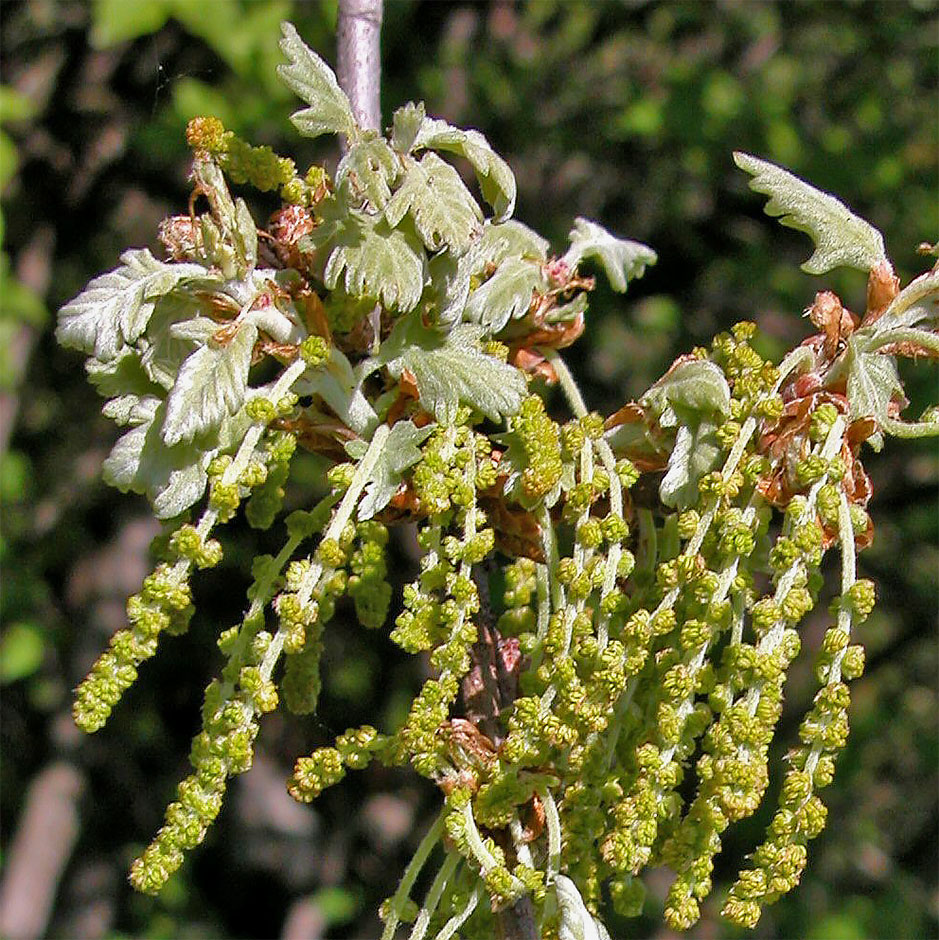
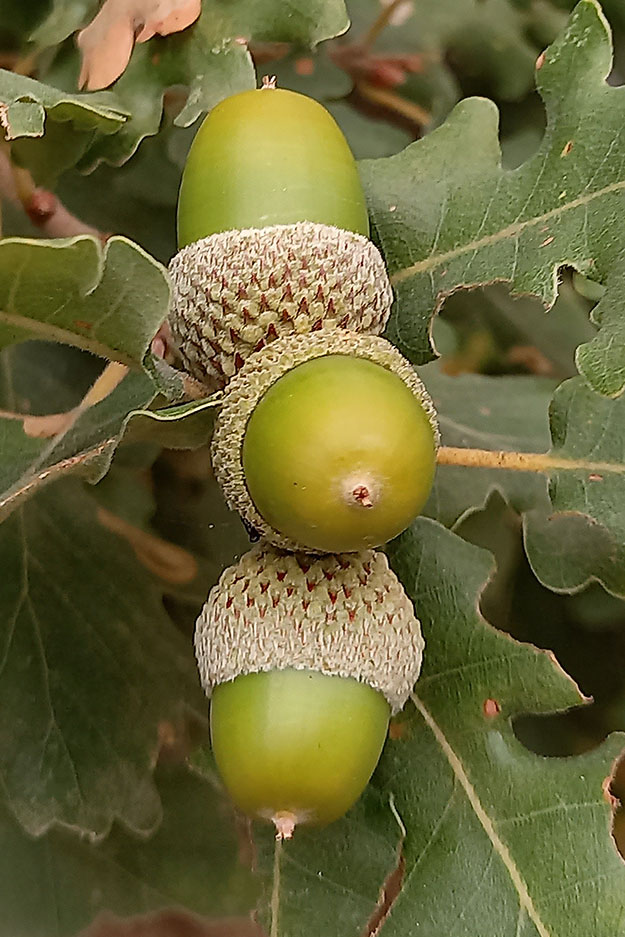
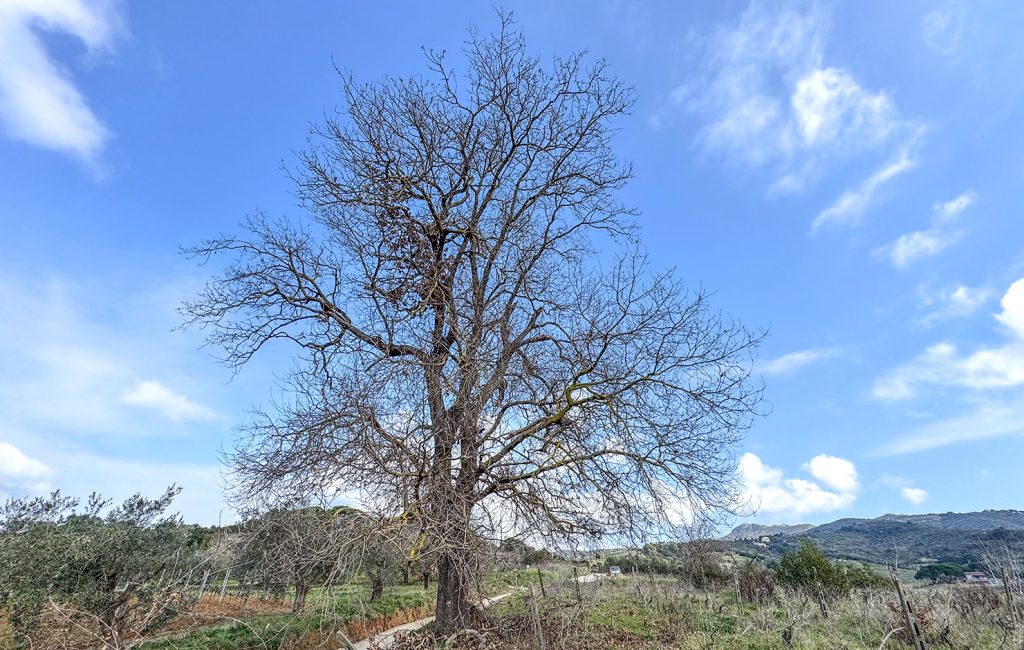
Among Mediterranean oaks, the downy oak is the most widespread in Italy. Rusticity, polymorphism and plasticity, as well as the enormous vitality of the stump, have allowed the downy oak to resist destructive human intervention over the centuries. The root system is highly developed in all directions and provides resistance to long periods of drought. The withered leaves remain on the tree in winter, colouring the forest during the months when it is most “bare”. The pubescence in the buds, leaves and young branches is one of the adaptive strategies of the plant. The scientific name “Quercus pubescens” includes the words “Quercus”, which seems to derive from the combination of two Celtic words, “Kaer” and “quer”, meaning “beautiful tree”, and “pubescens”, which emphasises the widespread presence of hairs. It fruits early, like many colonising plants. This early fruiting occurs mainly in isolated specimens, perhaps because they enjoy company. The fruits are acorns that ripen late (October) and germinate readily. Acorns have nourished humans in times of famine and war, but more commonly they were fed to domestic pigs. On Elba, its presence is entirely sporadic and scattered.
🌿 Botanical Information