
Rosemary
Salvia rosmarinus Spenn.
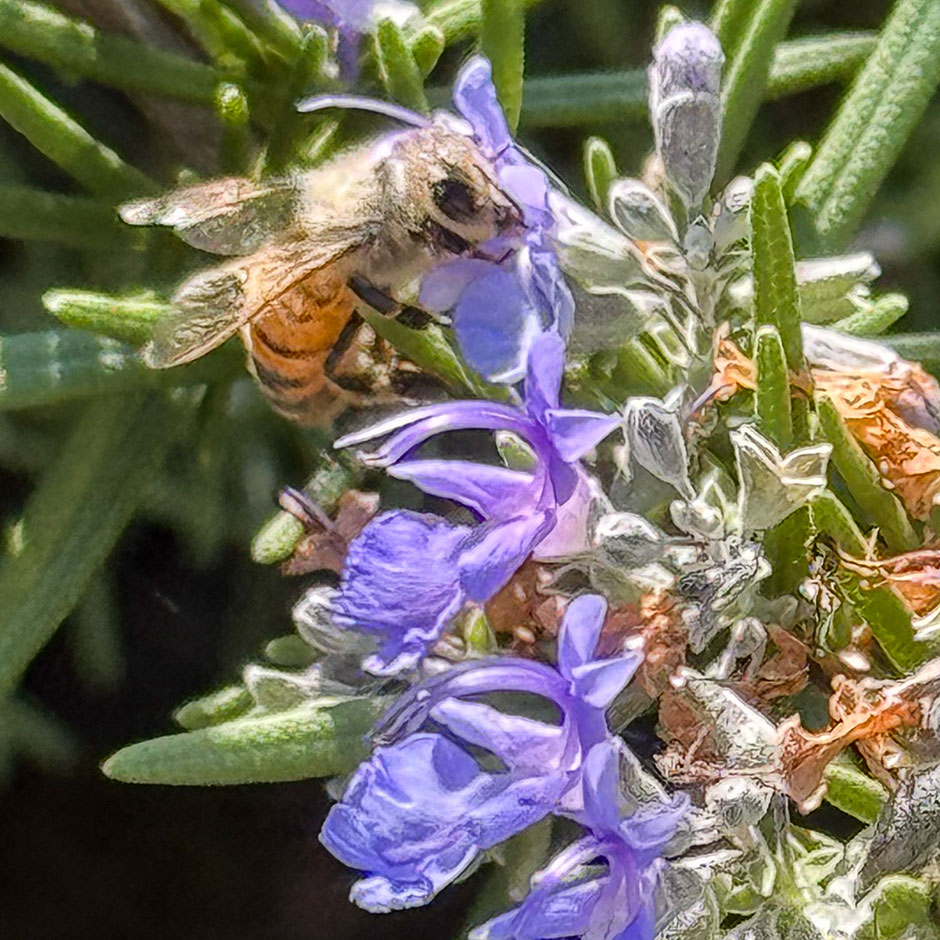
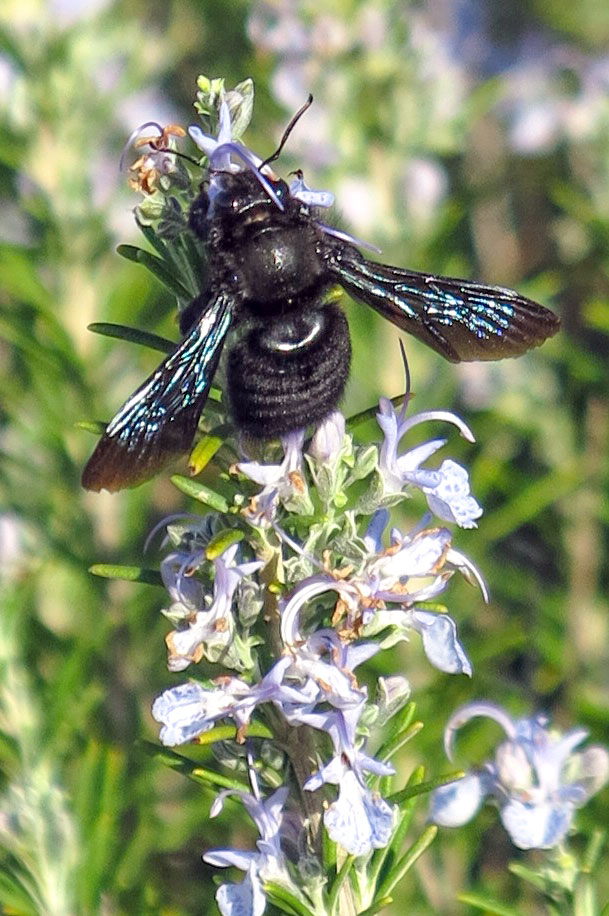
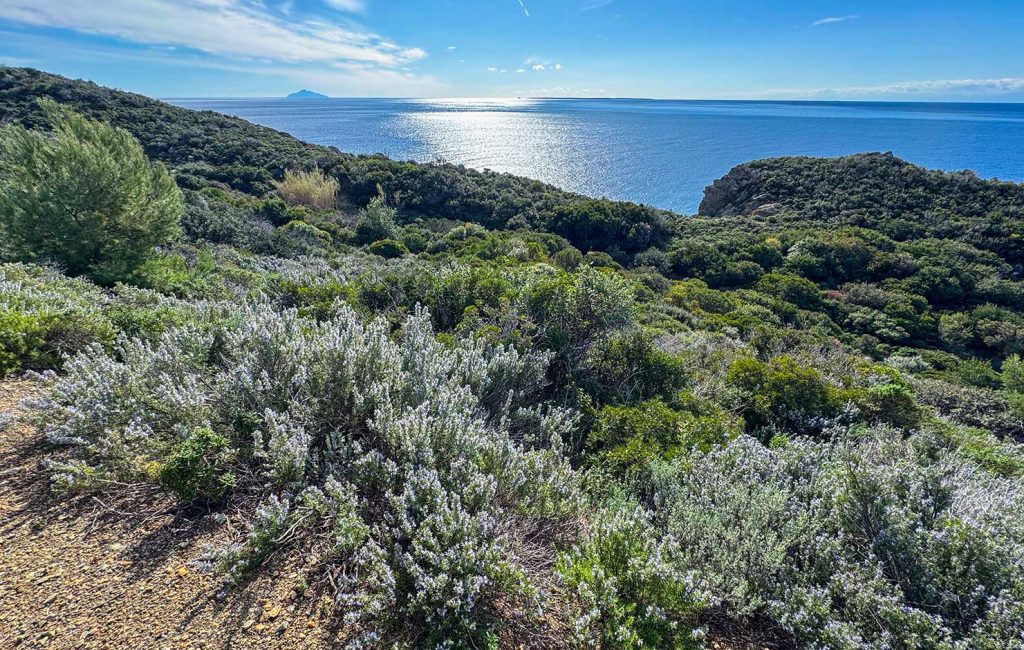
From the Latin “ros” (dew) and ‘marinus’ (of the sea), “sea dew” has fueled the most fertile imaginations. It is an evergreen shrub typical of garrigue and low Mediterranean scrub. The leaves are shiny on top and hairy underneath to better tolerate dry periods. The flowers are fragrant, light blue or lilac in color, sometimes white. For the Egyptians, it was a symbol of immortality, while for the Etruscans, it was an aphrodisiac. During the Middle Ages, it was one of the 16 beneficial plants cultivated in the “herb gardens” of convents and monasteries. Together with St. John’s wort, lavender, and others, it is one of the plants used in St. John’s water, which is prepared between June 23 and 24, during the summer solstice. It is the celebration of Lithia when the sun reaches its zenith in the sky and gives us the longest day; a moment felt by pre-Christian populations as full of energy and transformation to be honored with dances, songs, and bonfires. Numerous active compounds with beneficial effects have been identified in rosemary extracts. The essential oil is used in perfumery and cosmetics, in liqueurs and in pharmacy. In cooking, it is included in countless recipes based on fish, meat, and game, but also in desserts such as castagnaccio. Rosemary blooms on the Island for 12 months a year (in the south) and is one of the most important honey plants.
🌿 Botanical Information