
European nettle tree
Celtis australis L. subsp. australis
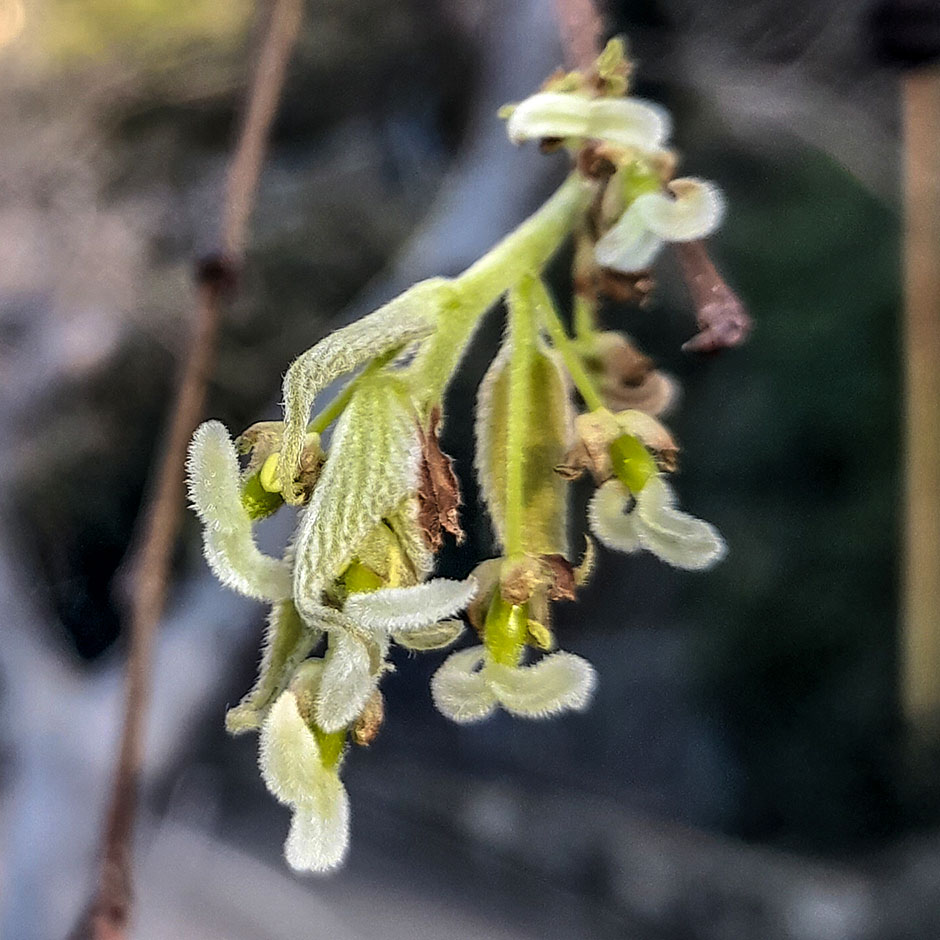
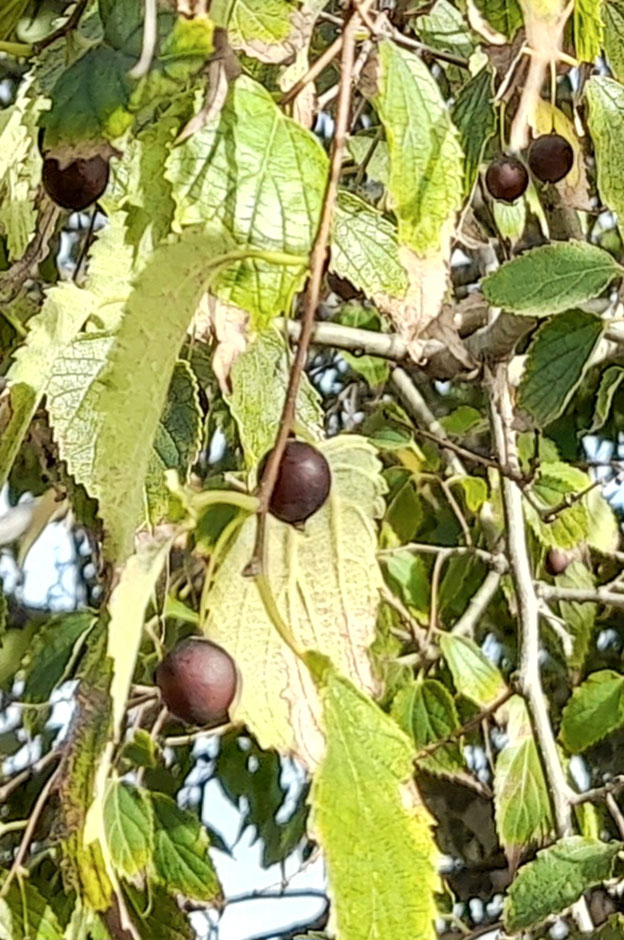
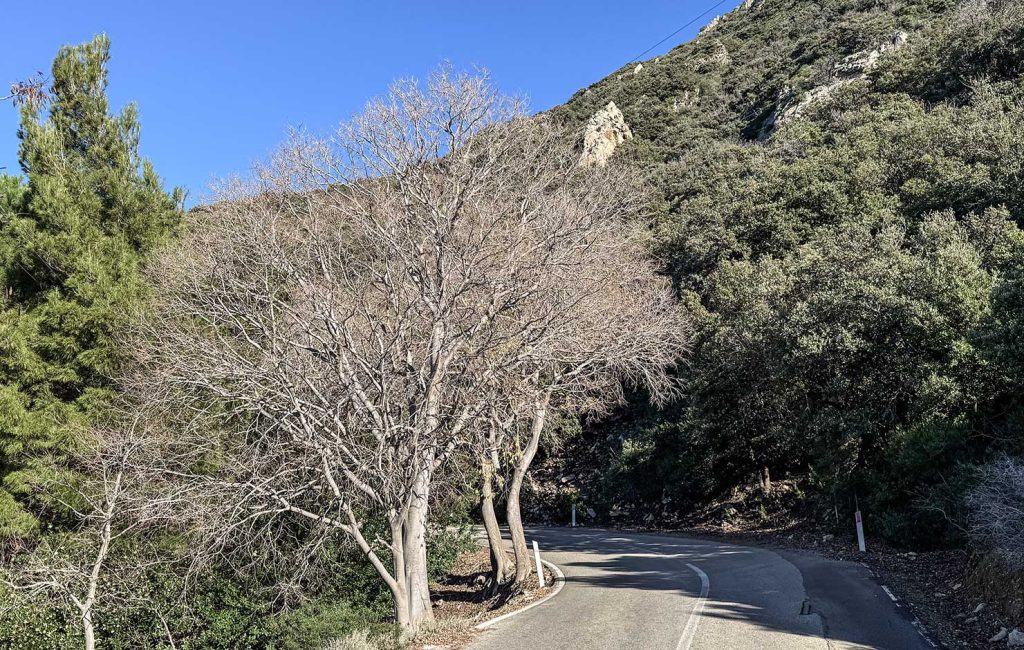
The European nettle tree is a gentle and tenacious tree with a grey, straight and massive trunk. This pioneer plant is long-lived, prefers calcareous soils and grows slowly. Its root system is robust and makes its way through rocks (also known as stone breaker), ensuring stability and resistance to drought. A sporadic species in Mediterranean ecosystems, native to southern Europe, Asia Minor and northern Africa, it is used for soil consolidation, urban shading and to absorb pollutants such as nitrogen oxides and PAHs (polycyclic aromatic hydrocarbons). The plant hosts the larvae of the butterfly Vanessa multicolore (Nymphalis polychloros), observed on Elba in 2019 after a century without sightings. The fruits are round drupes with edible pulp and a pleasant taste. The reserve material contained in the seeds and used during germination (the endoderm) is oily and also has a pleasant taste. On Elba, it appears here and there thanks to the seeds scattered by birds that are fond of its fruit. Among those who planted nettle trees on the Island are well-known figures (Napoleon had one planted in San Martino) and unknown ones (the plants placed on the road between Chiessi and Colle d’Orano, around the Campo Lo Feno site).
🌿 Botanical Information